
Eating Disorder Therapist in Dallas, Texas
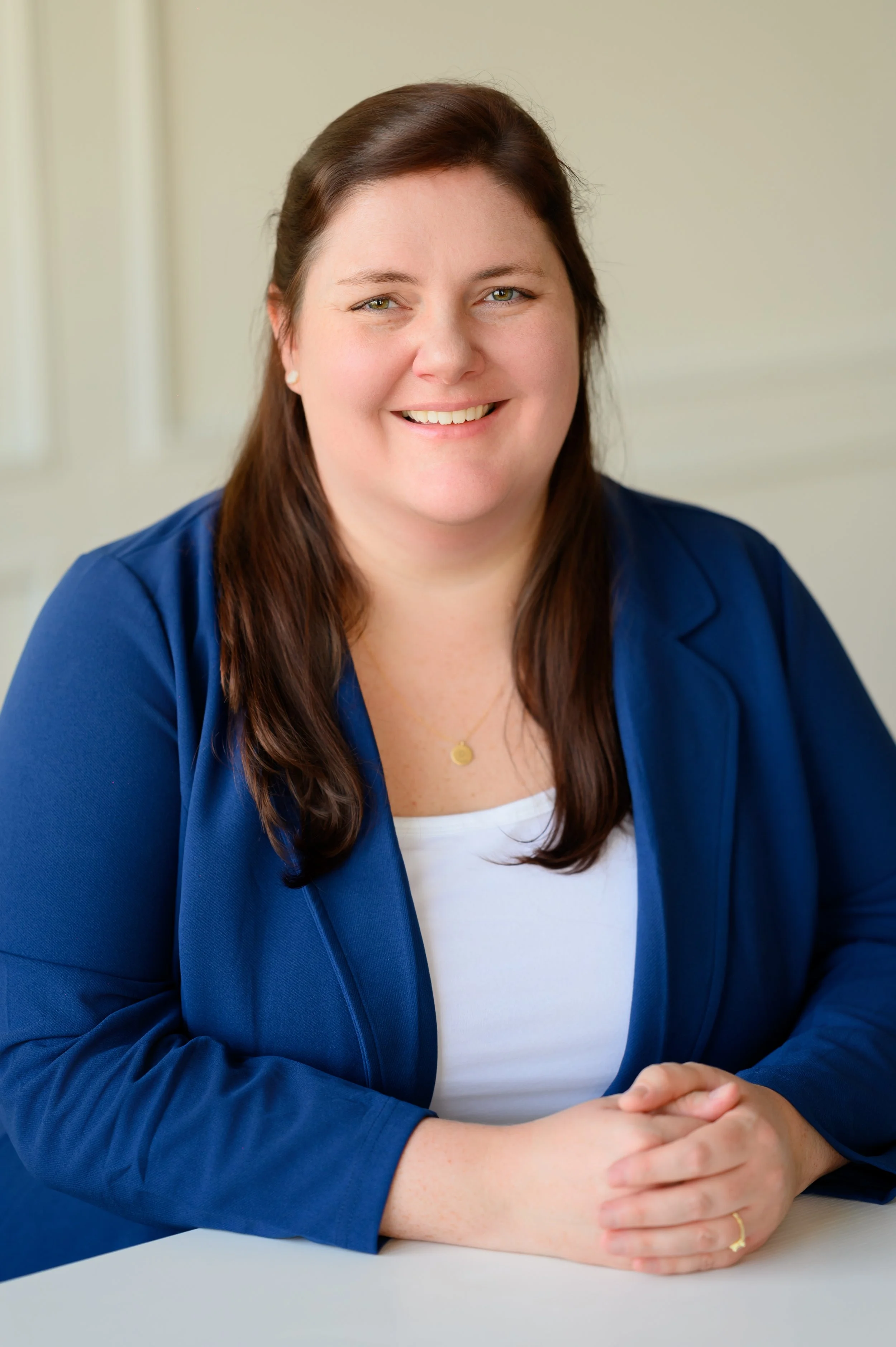
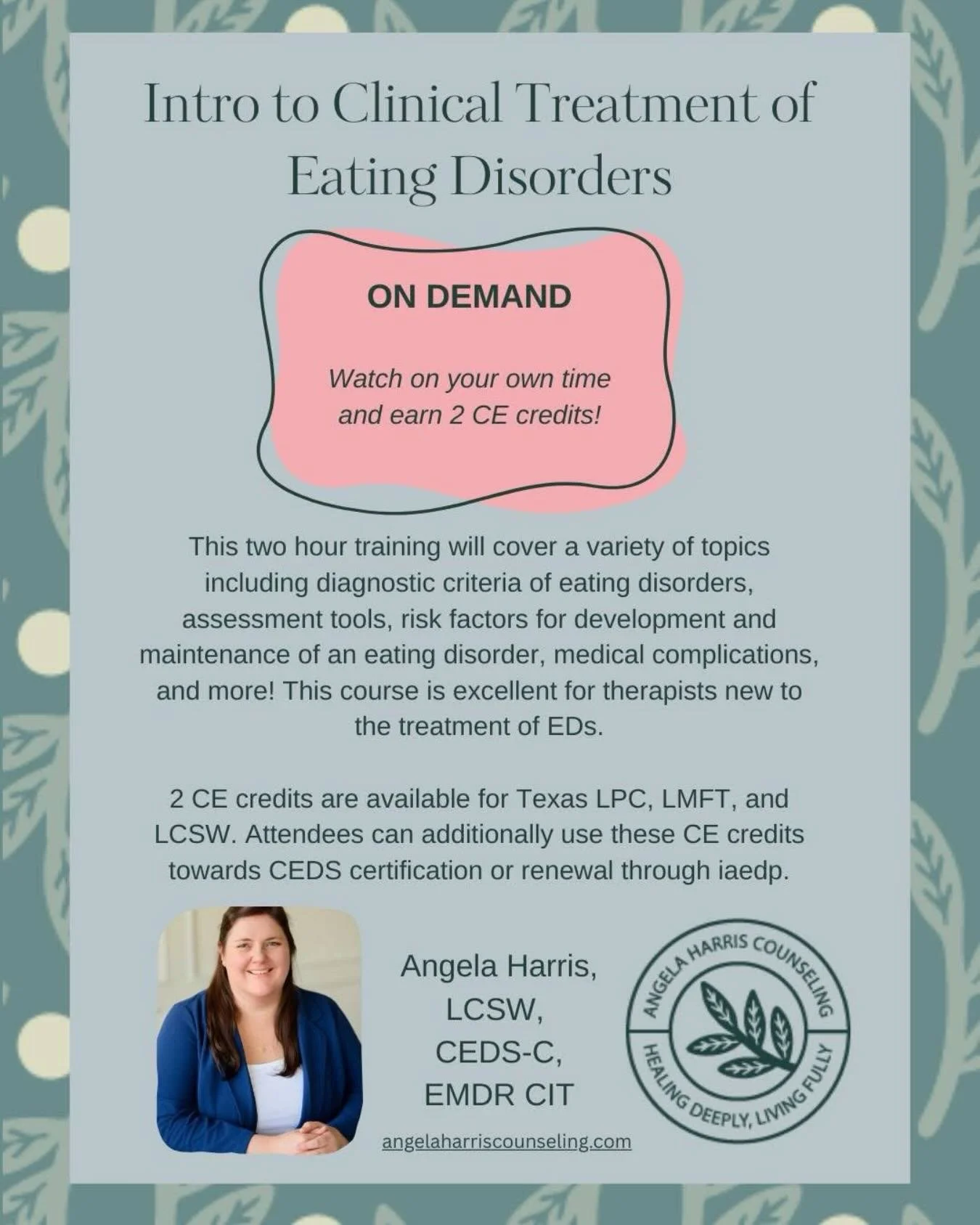
Angela Harris, LCSW, CEDS-C, EMDR CIT
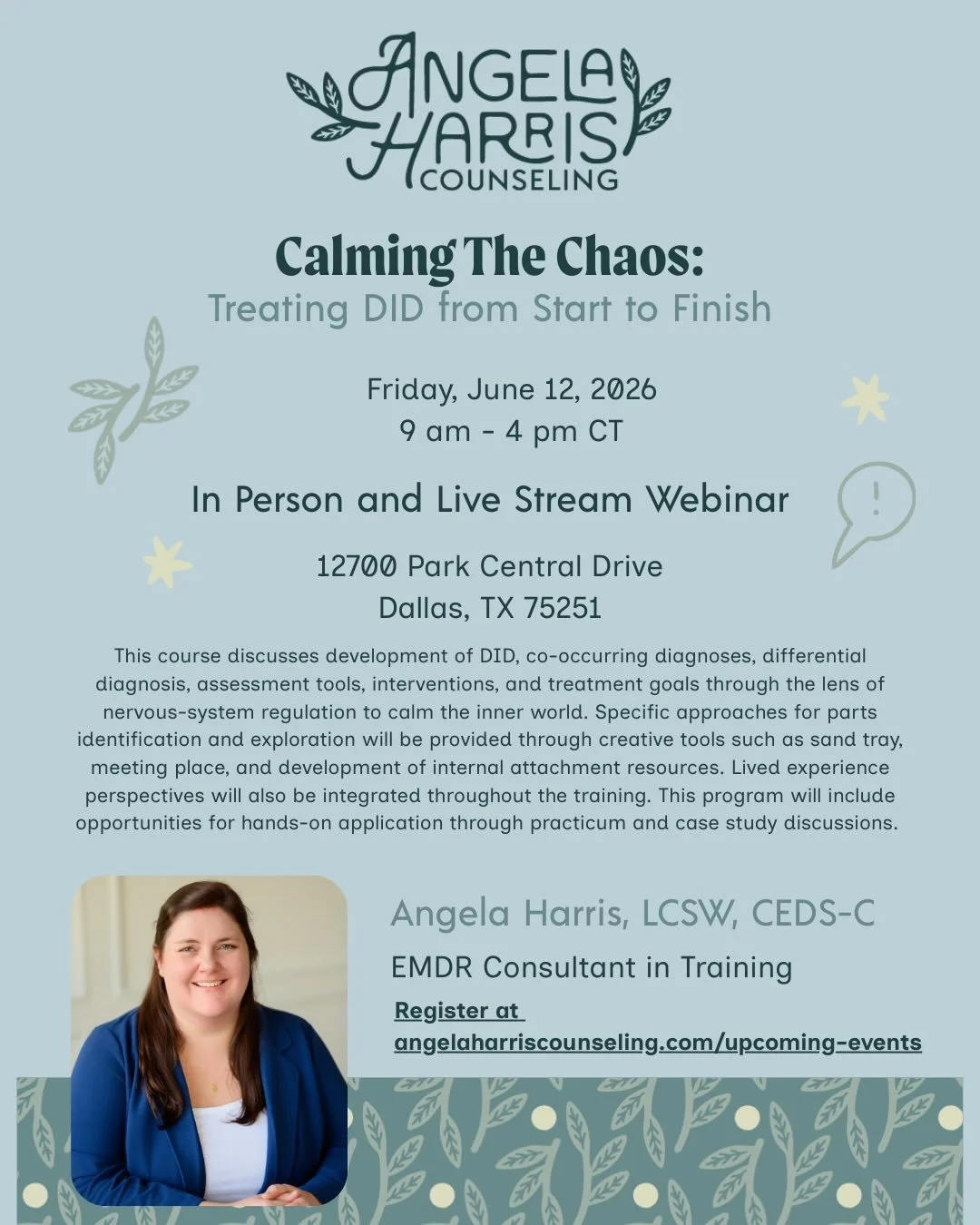
I am specialized in treating eating disorders, OCD dissociative disorders, and trauma for adolescents (14+ and adults). I have experience with a wide variety of populations across socioeconomic backgrounds, ages, and treatment settings. I bring clinical experience from residential, PHP/IOP, and outpatient levels of care. I prioritize the therapeutic relationship in the healing process and highly value your trust in me as your therapist. As a social worker, I see my work through the lenses of social justice and intersectionality. I am here to listen and support you in exploring who you are and how you heal. I am also an Eye Movement Desensitization and Reprocessing (EMDR) Consultant in Training. This training enhances my skills in trauma-informed care and treating trauma survivors.
I earned my Bachelor of Science in Communications Studies with a focus in Human Relations from the University of Texas at Austin and a Masters of Social Work from Texas State University. Outside of the therapy room, I enjoy reading, yoga, and spending time with my husband and son.
I am licensed to practice in the states of Texas and Oklahoma.
Services »
Book An Appointment »
Office Location —
12700 Park Central Suite 110, Dallas, TX 75251
214-449-0029
You can learn more about me on Instagram @angelaharriscounseling

Podcast Episodes Featuring Angela Harris
Infertility and the role of diet culture
About this episode
Angela Harris, LCSW, CEDS-C, joined hosts Angela and Kierstin on The Compassion Circle to talk about infertility, and about where it runs into eating disorders and diet culture. The episode came out in March 2025 and runs just under an hour.
Angela starts with how she came to this work. She began in residential substance use treatment, moved into higher levels of care for eating disorders, and trained in EMDR early in her career. The part of that training on dissociation led to her work with dissociative disorders. Infertility came from her own life. She went through testing, IUIs and IVF, and says she felt very alone doing it, even as a therapist.
Much of the conversation is about control. Eating disorders often involve trying to manage distress by controlling food and the body. Pregnancy is one of the few goals you can't plan or work your way into, even though it's something "everyone told you since puberty is going to happen." When that doesn't work, some people look for control somewhere else, and for someone in recovery that can mean relapse.
Diet culture adds to the strain. Angela talks about the special teas, the cut food groups, and the books promising better egg quality through a certain way of eating. She also talks about clinics that won't treat patients above a set BMI. Being told to lose weight first adds months to a process where time already feels short. Her own doctor never weighed her, which she only later realized was unusual.
They also talk about how isolating infertility is. After a death, people usually know and can offer support. During fertility treatment, every cycle raises the question of who to tell, and whether they even want updates. Angela calls it "a present grief that continues as you go." The hosts also bring up secondary infertility, where someone is going through treatment while caring for a child they already have.
Kierstin brings in yoga as a way to reconnect with a body that feels like it's letting you down. Angela says yoga was one of the few times during treatment when she wasn't angry with her body.
Near the end, Angela describes what she explores with clients. She asks whether they have a higher power or spiritual practice to lean on, what they actually value, and what support they have around them. She also brings in radical acceptance. On holding eating disorder recovery and trying to conceive at the same time, she says: "We can hold both. It's a lot, though."
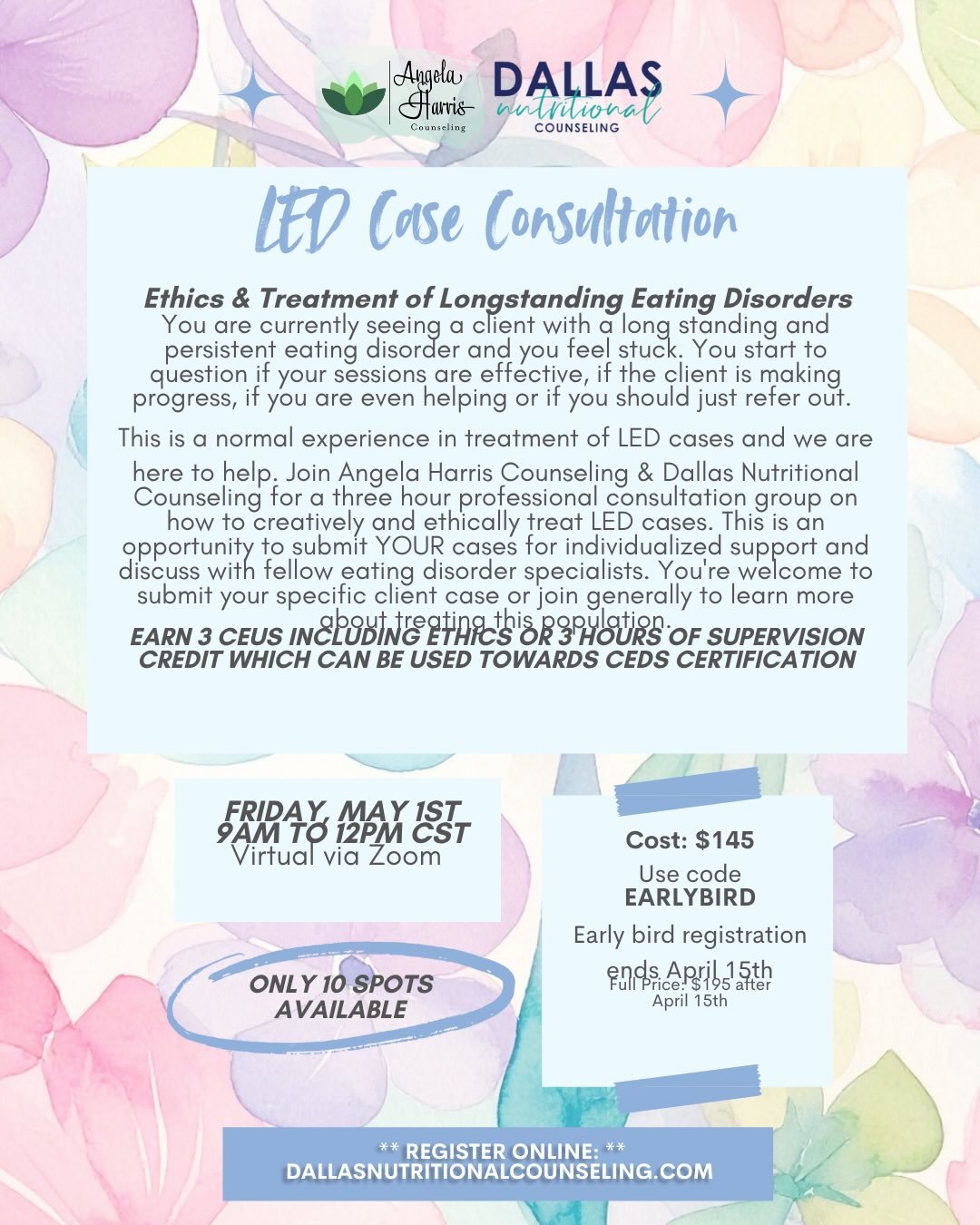
Angela sees clients in Texas and Oklahoma for eating disorders, dissociative disorders and EMDR therapy. She also offers EMDR consultation and CEDS consultation for clinicians. You can get in touch here.
Episode courtesy of The Compassion Circle.
Questions from the episode
When should you see a doctor about trouble getting pregnant?
The CDC says couples with no known fertility problems and regular cycles should try for at least a year before seeing a provider if the woman is under 35, or for six months if she's 35 or older. Angela didn't wait the full year. After six months she wanted answers, and testing turned up several reasons.
How common is infertility?
According to the CDC, about 1 in 5 married women aged 15 to 49 who haven't given birth before can't get pregnant after a year of trying. Angela points out that it rarely feels that common, because so few people talk about it.
How are eating disorders and infertility connected?
Angela describes two ways. A long-standing eating disorder can affect reproductive health. And the stress of trying to conceive, along with diet-focused advice, can bring disordered eating back for someone in recovery, or start it in someone who never had it.
What is secondary infertility?
It's trouble conceiving after you've already had a child. Angela calls it isolating in its own way, because you're dealing with appointments, medication and grief while still caring for the child you have.
Can you stay in eating disorder recovery while trying to conceive?
Many people feel they have to choose, and put recovery on hold to focus on getting pregnant. Angela's view is that you can work on both, and that doing so usually takes more support: a therapist, a partner, friends, or a community of people going through the same thing.
What is radical acceptance?
It's a skill from DBT for accepting things you don't like, so you can decide what to do next. Angela's example is a rainy day when you'd planned a walk. You can be furious about the rain, or accept it and choose something else to do.